Pico de Gallo Recipe: 6 Ingredients, Ready in 15 Minutes
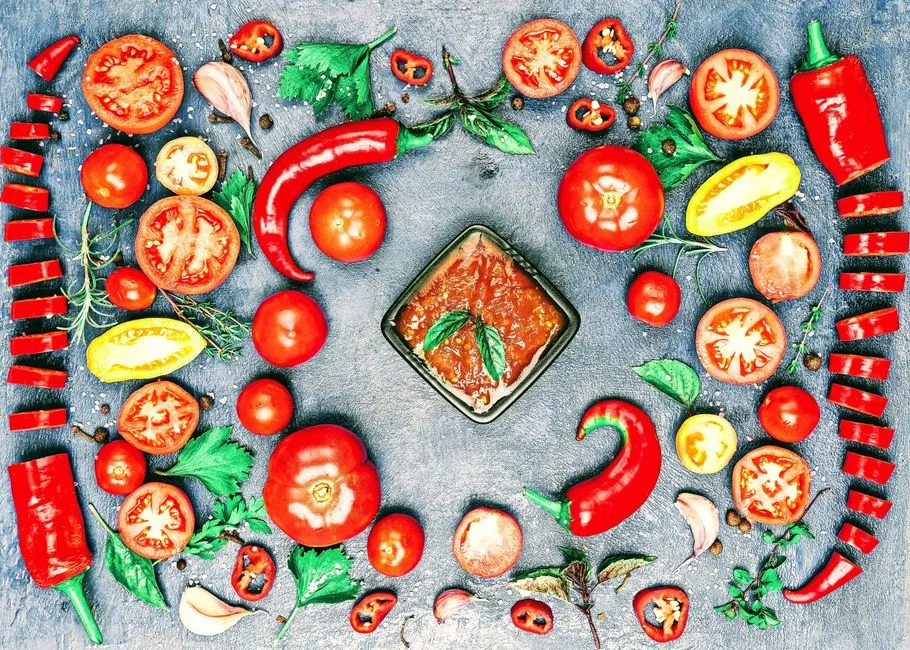
The Pico de Gallo Recipe: 6 Ingredients, One Ratio
Pico de gallo is a fresh, chopped Mexican salsa made from six ingredients: tomatoes, white onion, chile, cilantro, lime juice, and salt. Nothing is cooked and nothing is blended — you dice everything small, season it, and let it sit for 10 minutes so the salt and lime pull the flavors together. Total time is about 15 minutes, most of it knife work.
The ratio that makes it repeatable: 4 parts tomato, 1 part onion, chile to taste, by volume after dicing. Measure the diced vegetables in a cup rather than counting whole ones — tomatoes and onions vary enough in size that counts drift, and the balance is what you're actually after.
Ingredients (makes about 2 1/2 cups)
- 2 cups diced Roma tomatoes — about 5 or 6 medium romas (roughly 12 oz / 360 g), cut in 1/4-inch dice
- 1/2 cup finely diced white onion — about half a small onion, or a third of a medium one
- 1–2 serrano chiles, minced (seeds in for heat, out for mild); jalapeño also works
- 1/3 cup chopped fresh cilantro, leaves and tender stems
- 2 tablespoons fresh lime juice (about 1 lime)
- 1/2 teaspoon fine salt, plus more to taste
Roma (plum) tomatoes are the right call here: they're meaty, with less watery pulp than round slicing tomatoes, so your pico stays chunky instead of soupy. A medium roma runs about 60 to 85 g, so treat the count as a guide and trust the 2-cup measure. If your tomatoes are very juicy, scoop out the seeds and gel before dicing.
How to Make Pico de Gallo
- Dice the tomatoes small — about 1/4-inch pieces — and transfer to a bowl, leaving excess juice on the cutting board. Stop when you have 2 cups.
- Finely dice the onion and measure out 1/2 cup. If raw white onion tastes harsh to you, rinse the dice under cold water for 30 seconds and drain; it mellows the bite without cooking anything.
- Mince the chile. Start with one serrano; you can always add the second after tasting.
- Chop the cilantro and add it with the onion and chile to the tomatoes.
- Season: add the lime juice and salt, then toss gently.
- Rest 10 minutes at room temperature, taste, and adjust — more salt if it tastes flat, more lime if it tastes dull, more chile if you want heat.
That resting step is the difference between chopped vegetables and salsa. Salt draws moisture out of the tomatoes and onion, the cilantro settles, and the mixture packs down slightly as it goes — that seasoned juice is what ties every bite together.
What Makes a Pico de Gallo Traditional
"Authentic" here mostly means restraint. A traditional Mexican home version is the six ingredients above and nothing else — no garlic, no cumin, no sugar, no vinegar. Those turn up in US restaurant and supermarket versions, which are built as a chip dip: milder, a little sweeter, often stretched with extra tomato. At a Mexican table it's a condiment instead — sharper, saltier, noticeably hot, spooned onto food by the tablespoon.
Two ingredient choices carry most of that character:
- White onion, not yellow. White onion eats crisp and clean raw, with a bite the lime softens. Yellow onion is more sulfurous uncooked and muddies the flavor; red is an acceptable stand-in for color but tastes sweeter.
- Serrano, not jalapeño. Serrano is the everyday chile across much of Mexico: thinner-walled, grassier, hotter for its size, so a little seasons the bowl without adding bulk or water. Jalapeño is the usual US substitute — milder, thicker-fleshed, and fine if it's what you have.
Pico de Gallo vs. Salsa: What's the Difference?
Both are salsas; pico is the uncooked, chopped kind, what a Spanish-language recipe calls a salsa fresca or salsa cruda. The differences that matter at the table:
| Pico de gallo | Blended salsa | |
|---|---|---|
| Texture | Chunky, distinct dice | Smooth or semi-smooth, pourable |
| Cooking | None — everything raw | Often roasted, boiled, or simmered |
| Water content | Low; sits on a chip | Higher; coats and pools |
| Best use | Topping tacos, grilled meats, eggs | Dipping, dousing, cooking into dishes |
| Shelf life | Best within 24 hours; 2–3 days refrigerated | Cooked versions hold 5–7 days refrigerated |
Because nothing is blended, pico works where a wet salsa would slide off — spooned over tacos on warm homemade corn tortillas, folded into scrambled eggs, or piled onto grilled chicken or fish. For blended reds and greens and the chile technique behind them, see the rest of our salsa collection.
How Long Does Pico de Gallo Last in the Fridge?
In an airtight container in the refrigerator, pico de gallo keeps for 2 to 3 days, and it's at its best within the first 24 hours. What changes is mostly texture: the salt keeps pulling water out, the tomatoes soften, and pink liquid pools at the bottom. Pour that off before serving day-two pico — or spoon it into a pot of beans — then re-taste, because a fair amount of the salt and lime leaves with it.
Being raw, it belongs back in the fridge promptly: no more than 2 hours at room temperature, or 1 hour above 90°F / 32°C. Don't freeze it — thawed raw tomato collapses into mush.
Quick Fixes
- Too watery? Drain in a fine-mesh strainer for a few minutes, or seed the tomatoes next time.
- Too spicy? Stir in more diced tomato to dilute the heat.
- Tastes flat? It almost always needs salt first, then lime.
- Onion overpowering? Use the cold-water rinse in step 2, and check that you measured 1/2 cup rather than eyeballing half an onion.
Use tomatoes worth eating raw, season until it tastes like something rather than like vegetables, and this stops being a recipe you look up and becomes the thing you make while everything else cooks.