Roasted Tomato Salsa Recipe: Smoky Salsa Roja
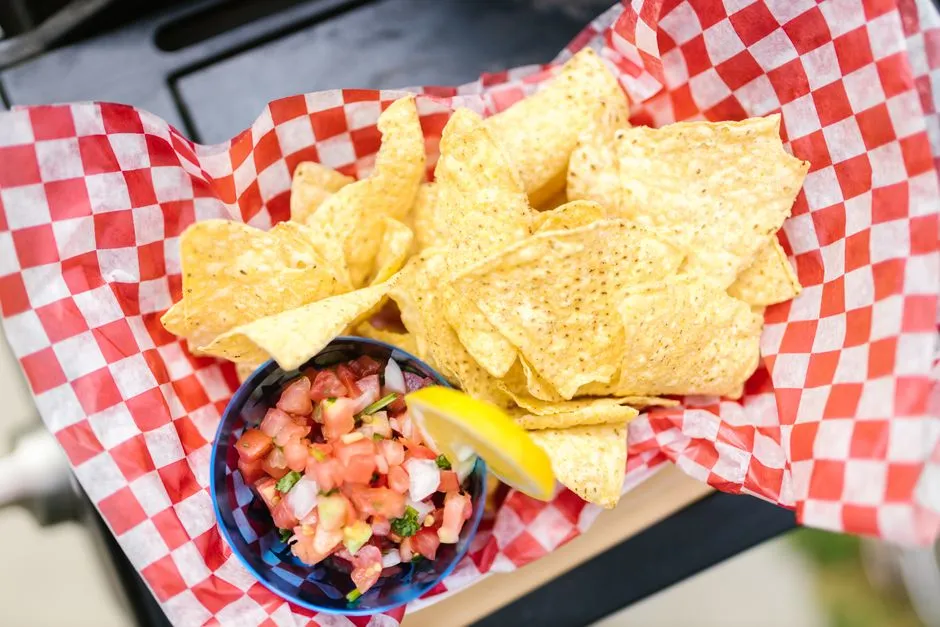
Salsa roja begins with a little controlled scorching
For roasted tomato salsa roja, blister 500g Roma tomatoes, 1 to 2 serrano chiles, a quarter white onion, and 2 unpeeled garlic cloves under a hot broiler for 10 to 15 minutes. Turn them until soft and charred in spots, then peel the garlic and pulse everything with salt. Fry the blended salsa in a teaspoon of oil for 5 to 7 minutes and you have about 2 cups of smoky red table salsa.
Unlike pico de gallo, this salsa gets its personality from heat twice: first the dry blast that chars the vegetables, then a short fry after blending that rounds the flavour and sets the texture. It is spoonable, not watery, and assertive enough for tacos, eggs, beans, grilled meat, and the chip you allegedly picked up only to check the salt.
Salsa roja is a broad name, not one fixed recipe. Mexican home cooks make red salsa with fresh or dried chiles, raw, boiled, roasted, or fried tomatoes, and countless family ratios. This is a roasted tomato-serrano version built for an ordinary oven or comal.
Ingredients for about 2 cups
- 500g (about 1.1 lb) Roma tomatoes, usually 5 or 6 medium
- 1 to 2 serrano chiles
- 1/4 medium white onion, about 60g
- 2 garlic cloves, left in their skins for roasting
- 3/4 teaspoon fine salt, divided, plus more to taste
- 1 teaspoon neutral cooking oil
- 2 tablespoons chopped cilantro, optional
- 1 teaspoon fresh lime juice, optional and added only after tasting
Use ripe tomatoes that smell like tomatoes at the stem. Roma or plum tomatoes contain plenty of flesh and less watery seed gel than large slicing tomatoes, which helps the salsa stay substantial after roasting. If only round tomatoes are available, use them and expect a slightly longer reduction.
Serrano chiles are slim, grassy, and often hotter than jalapenos. Start with one if you do not know the batch. You can blend in more roasted chile; you cannot summon it back out after the blender has distributed it with ruthless efficiency.
Oven-broiler method
1. Prepare the tray
Move an oven rack about 15cm (6 inches) below the broiler element and heat the broiler. Line a rimmed metal tray with foil for easier cleanup. Do not use parchment under an intense exposed broiler unless its manufacturer explicitly allows it at that setting.
Wash and dry the tomatoes and chiles. Halve the onion through the layers, leaving a compact quarter. Keep the garlic cloves in their papery skins so the interior softens without burning.
2. Broil the first side
Arrange everything in one layer. Broil for 6 to 8 minutes, watching closely, until tomato and chile skins blister and develop dark spots. The exact time depends on the broiler, distance, and vegetable size. You want patches of black, not vegetables reduced to evidence.
Garlic may finish first. Remove it when the skin is darkened and the clove inside feels soft. The onion should colour at the edges and begin to soften.
3. Turn and finish
Turn the tomatoes, chiles, and onion with tongs. Broil another 4 to 7 minutes until the second side is blistered and the tomatoes sag but still hold together. Keep every drop of juice on the tray.
Let the vegetables stand until safe to handle. Pull the stem from the chiles and peel the garlic. For less heat, split the chile and scrape out seeds and pale interior ribs. Gloves are sensible if your skin reacts to chiles, and touching your eyes during this step is a powerful but unnecessary learning experience.
4. Blend to the right texture
Put the onion, garlic, chiles, 1/2 teaspoon salt, and one tomato in a blender or food processor. Pulse until finely chopped. Add the remaining tomatoes and tray juices, then pulse in short bursts.
Stop at the texture you want:
- Chunky table salsa: 4 to 6 brief pulses, with visible tomato pieces.
- Pourable taqueria-style texture: blend 10 to 20 seconds.
- Molcajete texture: crush garlic, chile, and salt first, then work in onion and roasted tomato a little at a time.
Do not add water unless the blades genuinely cannot move. Roasted tomatoes bring their own liquid. Water is easy to add and tiresome to remove.
5. Fry the salsa
Heat 1 teaspoon oil in a wide skillet over medium heat. Carefully add the salsa; it may spit. Stir and simmer for 5 to 7 minutes until slightly darker, integrated, and thick enough to leave a brief trail when a spoon crosses the pan.
Taste after frying. Add the remaining salt as needed. Stir in cilantro off heat if using. Add lime only if the tomatoes taste flat; good tomatoes often bring enough acidity on their own.
Cool briefly before serving. Hot salsa tastes less salty and less nuanced than warm or room-temperature salsa, so do not perform the final seasoning while your tongue is negotiating with steam.
Comal or skillet roasting method
No broiler is required. Heat a dry comal, cast-iron skillet, or heavy stainless-steel pan over medium-high. Place whole tomatoes, chiles, onion, and unpeeled garlic directly on it.
Turn each ingredient as the contact side blisters:
- garlic may take 6 to 10 minutes total;
- chiles and onion often take 8 to 12 minutes;
- tomatoes can take 12 to 20 minutes, depending on size and heat.
Those are starting ranges, not a synchronized finish. Remove each item when dark-spotted and softened. The tomatoes will char unevenly because only one curve touches the pan at a time; that irregularity is part of the method.
Ventilate the kitchen. Roasting chiles releases pungent vapour, and coughing beside a skillet is not a traditional technique.
How charred is too charred?
Good char appears in irregular black patches surrounded by softened red skin. It adds bitterness in a supporting role. A tomato that is black all over and dry at the edges has crossed from roasted to cremated.
Peel away fully carbonized, papery skin, but leave the blistered brown and black patches that still feel supple. Garlic is less forgiving: a black, hard clove tastes bitter through the entire batch, so discard it and roast another.
If the finished salsa tastes too bitter, blend in another roasted tomato and a small pinch of salt. Lime can brighten it but cannot erase heavy burning. Sugar usually makes the bitterness sweet rather than absent.
Adjusting texture and flavour
Too watery
Return the salsa to a wide pan and simmer uncovered, stirring, until it lightly coats a spoon. Next time choose meatier tomatoes or keep added water out of the blender.
Too thick
Stir in warm water one tablespoon at a time. Give each addition a minute to integrate before deciding.
Too hot
Roast more tomato, onion, and garlic without chile, blend them, and combine with the spicy batch. Dairy or avocado can calm an individual serving, but they turn it into a different sauce and shorten its storage life.
Tastes flat
Try salt first. Then consider lime, cilantro, or another spoon of roasted tomato. A salsa can be fully cooked and still simply underseasoned.
Tastes raw
The onion was under-roasted or the blended salsa skipped its pan time. Simmer 5 minutes more. If the garlic itself is harsh, the cloves may not have softened fully.
What to serve with roasted salsa
Spoon it over tacos on warm homemade corn tortillas, fried or scrambled eggs, beans, grilled chicken, roasted vegetables, quesadillas, or a plain bowl of rice. Use it as a cooking sauce for chilaquiles only after adjusting the consistency and quantity for that separate dish.
For a salsa flight, serve this warm roasted roja beside cold pico de gallo. One is smoky and blended, the other raw and sharply diced, so they complement rather than duplicate each other. Browse our salsa collection for more red and green techniques.
Storage and make-ahead
Cool the salsa promptly and refrigerate it in a clean airtight container. Use within three to four days, following USDA's general guidance for cooked leftovers. Freeze in small portions for longer storage; the texture may loosen after thawing, but a brief simmer restores it.
Do not leave perishable food at room temperature for more than two hours, or one hour when the temperature is above 90F (32C), per USDA guidance. Discard salsa with mould, an off smell, unexplained bubbling, or a storage history you cannot reconstruct. This is a table salsa, not a tested home-canning formula; do not seal it for shelf storage.
The recipe makes about 2 cups because 500g tomatoes lose water during roasting and frying while onion and chile contribute some volume. Tomato juiciness changes the exact yield, so judge the pan, not the fantasy of identical vegetables.
Sources
Roast until spotted, pulse rather than puree by reflex, and fry long enough for the flavours to stop introducing themselves separately. The salsa will handle the rest.